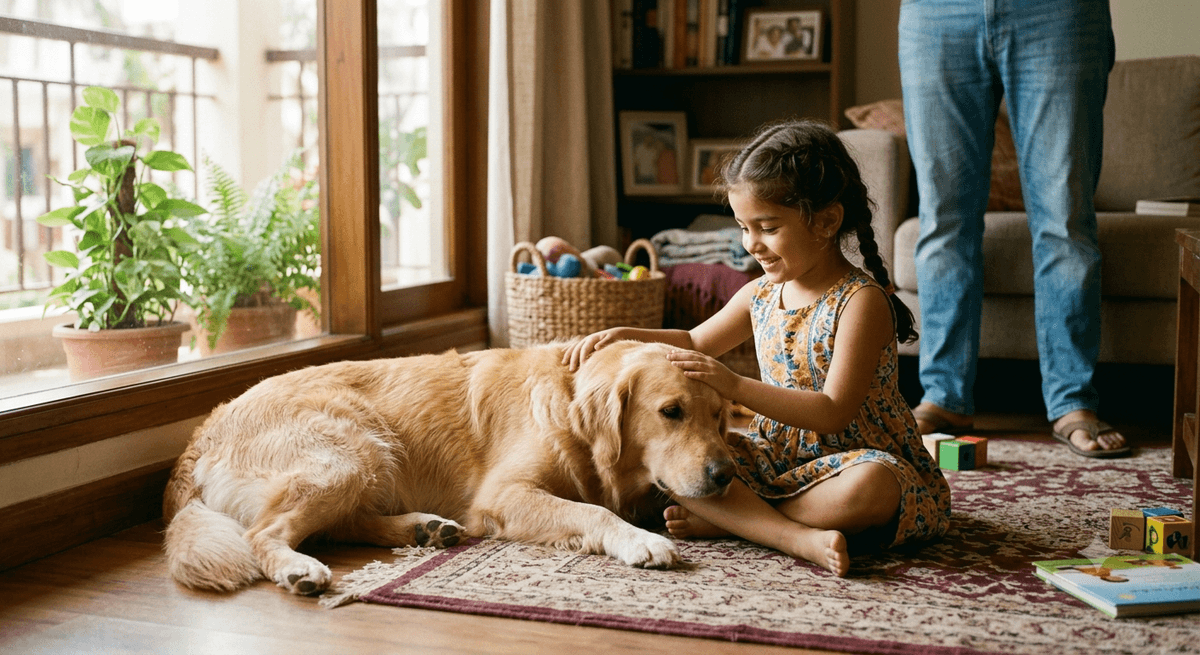
Dogs and Kids: The Compatibility Guide Parents Actually Need
The family dog dream is real. The research behind it usually is not.
Most parents choosing a dog for their family rely on a mental shortlist built from childhood memories, movies, and a vague sense of which breeds are "good with kids." Golden Retriever. Labrador. Maybe a Beagle. The list is short, mostly accurate, and dramatically incomplete.
What actually determines whether a dog and a child build a safe, joyful relationship has less to do with breed reputation and much more to do with specific, measurable factors: the dog's individual temperament, the child's age and behavior, the training both of them receive, and the supervision structure the family commits to.
This guide is built for parents who want the real picture — not the Hollywood version, and not the fear-based version either. Just the facts that actually keep kids and dogs safe and happy together.
4.5M
dog bites reported in the US annually
50%
of bites involve children under age 12
77%
of bites come from a familiar, family dog
#1
cause of bites is inadequate supervision
Section 1: The Bite Statistics — What They Actually Show
Before getting into breeds and ages, it is worth understanding what dog bite data actually reveals, because the headline numbers are frequently misread.
The statistic that gets the most attention is that most dog bites involving children come from a familiar dog — usually the family dog or a dog belonging to a friend or relative. This is true. It is also frequently misunderstood.
This statistic does not mean known dogs are inherently more dangerous than strangers' dogs. It means children spend the overwhelming majority of their time around familiar dogs, not unfamiliar ones. A child who lives with a dog has thousands of interactions with that dog every year. A stranger's dog encountered occasionally has far fewer opportunities to bite, regardless of temperament.
The more useful statistic is this: the overwhelming majority of bites involving young children happen during unsupervised interaction, often during normal play that escalated, resource guarding around food or toys, or a child unintentionally hurting a dog — pulling ears, tail, or fur — and the dog responding defensively.
This reframes the entire conversation. The question is not primarily "which breed is safest." It is "how do we structure supervision, training, and the child-dog relationship so that the dog never feels cornered, threatened, or provoked — regardless of breed."
The Most Important Fact in This Entire Article:
Breed accounts for a relatively small portion of bite risk compared to supervision quality, the individual dog's temperament, and how well a child has been taught to interact with dogs. A well-matched, well-trained dog from a "high-risk" breed reputation is statistically safer than a poorly supervised, untrained dog from a breed with a gentle reputation.
Section 2: Age-Appropriate Matching — Infant, Toddler, and Older Child
A dog that is a wonderful match for a household with school-age children may be a poor match for a household with an infant or a toddler — not because of the dog's temperament, but because of what each developmental stage requires.
Infants (0-12 months)
What to Prioritize:
A calm, lower-energy dog that is not easily startled by sudden sounds or movement
A dog with a demonstrated history around babies, if adopting, or extensive early socialization if a puppy
Physical barriers (baby gates, separate spaces) the dog is already comfortable with
What to Avoid:
High-energy or easily over-aroused breeds that jump or knock into things when excited
Any dog with resource guarding history around food, toys, or space — even mild
Leaving the dog unsupervised in the same room as the infant, ever, regardless of trust level
Toddlers (1-3 years)
What to Prioritize:
A dog with high bite inhibition and demonstrated tolerance for unpredictable movement and noise
A patient, food-motivated temperament that responds well to redirection training
A dog that can be successfully crate or gate-separated for breaks — toddlers cannot reliably self-regulate around dogs
What to Avoid:
Toy or small breeds with low bite inhibition or fragile builds that toddlers can accidentally injure
Any dog showing stress signals (lip licking, yawning, turning away) around the toddler without intervention
Leaving toddler and dog together even briefly without direct adult presence — this is the highest-risk age group
School-Age Children (4-9 years)
What to Prioritize:
A dog with moderate-to-high energy that can engage in active play appropriate to the child's growing physical capability
Breeds or individual dogs known for patience and resilience to childhood roughhousing
Active involvement of the child in age-appropriate care tasks — feeding, simple training cues, gentle grooming — to build mutual respect
What to Avoid:
Assuming a child of this age fully understands canine body language without explicit, ongoing teaching
High-prey-drive breeds around small pets in the home without careful, gradual introduction
Allowing rough play styles that can escalate arousal beyond what either party can self-regulate
Pre-Teens and Teens (10+ years)
What to Prioritize:
Nearly any well-matched, well-trained dog can thrive with this age group, given proper introduction
Opportunities for genuine responsibility — walking, training, primary care involvement — build real bonds
A good age to introduce a family to dog sports, advanced training, or more demanding breeds if interest exists
What to Avoid:
Assuming maturity means supervision is no longer needed for a new dog-child relationship in the first weeks
Skipping formal introduction protocols just because the child is older — new dogs still need structured introductions regardless of the human's age
Section 3: Breeds Families Actually Report Success With
With the age-stage context in mind, here are breeds that consistently show up in family success stories — chosen based on temperament research, trainability, and patience tolerance, not just popularity.
Related Reading
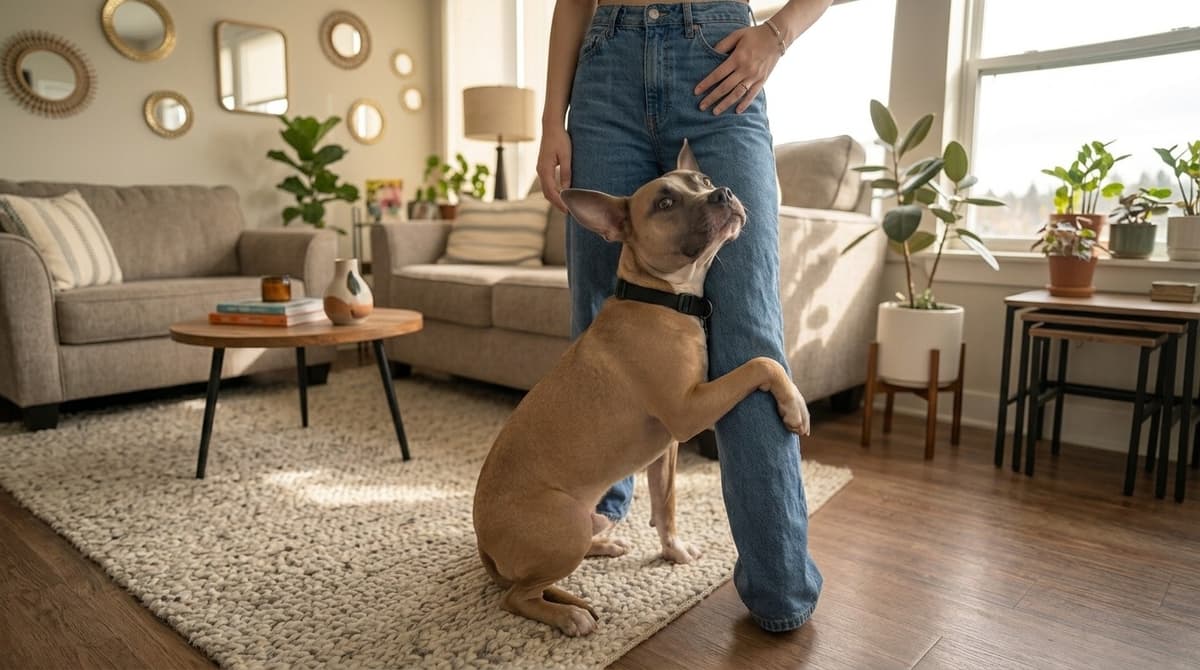
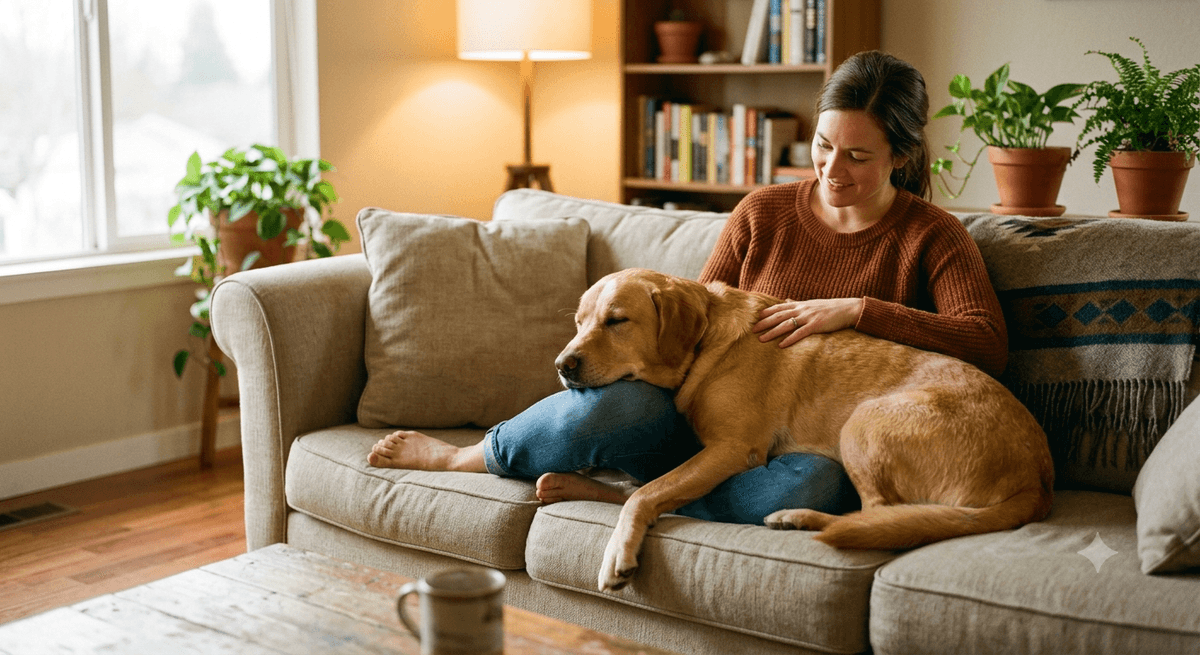
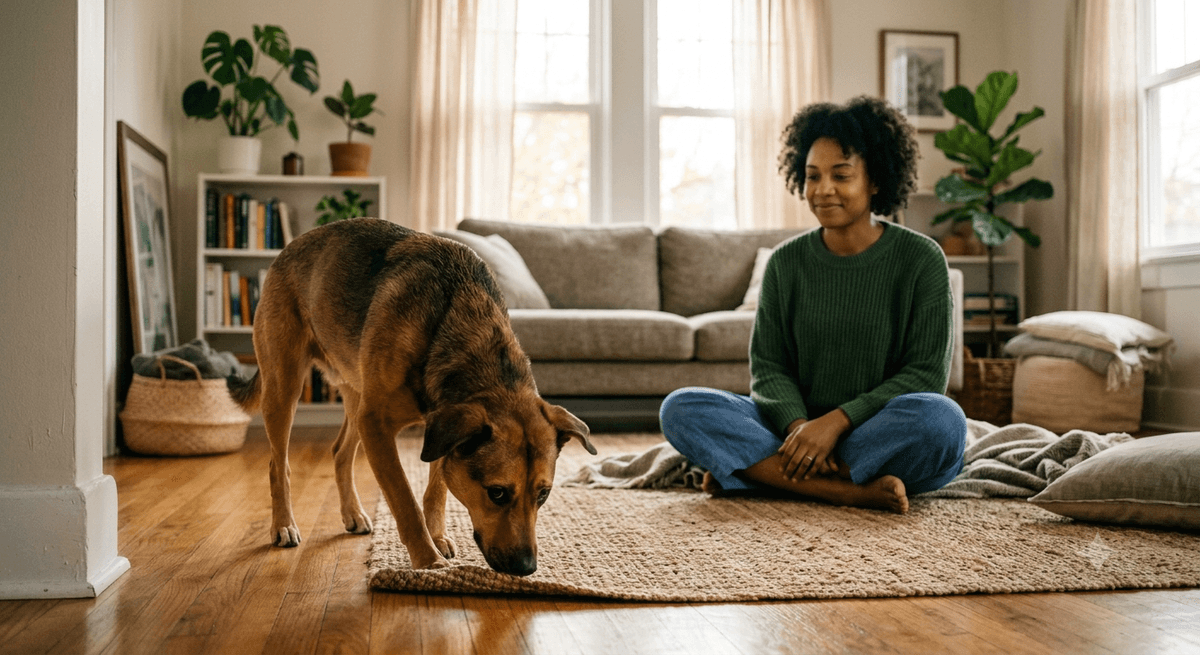
Breed Why Families Report Success Labrador Retriever Exceptionally patient, food-motivated and highly trainable, resilient to rough play, deeply people-oriented Golden Retriever Gentle, forgiving temperament, strong bond-forming with children, generally tolerant of noise and chaos Beagle Sturdy build that tolerates active play well, friendly with strangers and other children, moderate size reduces injury risk Bichon Frise Small but resilient and non-aggressive temperament, low shedding, generally patient with gentle handling Boxer Famous for patience and playfulness with children, high energy that matches active families, naturally protective without aggression Newfoundland Known as a "nanny dog" historically for calm, gentle watchfulness around children despite large size, very high bite inhibition Cavalier King Charles Spaniel Naturally affectionate and gentle, adapts well to calmer households, generally good with careful young children Mixed Breed (Adult, Known History) When adopted with documented history around children from a foster home, often the most reliable choice of all — no guessing involved
A note on size: bigger is not automatically safer, and smaller is not automatically gentler. A large dog with excellent bite inhibition and a calm temperament is often a better match than a small, anxious dog with a tendency toward fear-based snapping. Temperament and training matter more than size category.
Section 4: Red Flags Every Parent Should Know
Beyond breed and age matching, certain warning signs matter regardless of the dog in question. These apply whether you already have a family dog or are considering adopting one.
🚩 Resource guarding around food, toys, or space
Any growling, stiffening, or snapping when a person approaches the dog's food, favorite toy, or resting spot is a serious signal requiring professional intervention before that dog is fully trusted around children.
🚩 A child cornering or restraining the dog
Dogs need an escape route. A child who corners a dog against a wall or under furniture, or who physically restrains a dog that wants to leave, creates the exact conditions where defensive bites happen.
🚩 Ignoring calming signals
Lip licking, yawning when not tired, turning the head away, "whale eye" (showing the whites of the eyes), and moving away are all signs a dog is uncomfortable. These signals, ignored repeatedly, escalate to growling and eventually biting if nothing changes.
🚩 Face-to-face interaction initiated by the child
Many bites to the face happen when a child leans directly into a dog's face — hugging around the neck, kissing the nose. This should be actively taught against, regardless of how tolerant the specific dog seems.
🚩 "He has never bitten anyone" as a safety plan
Past behavior is useful information but not a guarantee. Pain, illness, fear, and changing life circumstances can shift a dog's tolerance threshold. Ongoing supervision matters regardless of bite history.
The Family Dog Safety Rules That Actually Work
Never leave a child under age 10 unsupervised with any dog, regardless of trust level or bite history
Teach children to recognize and respect calming signals — this is as important as teaching them to look both ways before crossing a street
Give the dog a designated safe space (crate, gated area) that is always off-limits to children, no exceptions
Never allow a child to take food, toys, or bones away from a dog, even in play
Introduce any new dog to children gradually, on neutral territory if possible, with short initial interactions
If you see early warning signs, address them immediately with a professional trainer — do not wait for escalation
Section 5: Introducing a New Dog to a Family With Children
Whether you are bringing home a puppy or an adult rescue, the introduction process matters enormously for setting the relationship up successfully from day one.
Before the dog comes home
Talk to your children, at an age-appropriate level, about how to greet a new dog — calm voices, no sudden movements, letting the dog approach first. Set up the dog's safe space (crate or gated area) before arrival, not after. Agree on house rules as a family in advance, including which areas are off-limits to the dog and what the children's responsibilities will be.
The first introduction
Keep the first meeting calm and brief. Have the dog on a leash even in your own home for the first interactions. Let the dog approach the children rather than the reverse. Watch closely for calming signals and end the interaction before stress builds, even if everyone seems happy — short, positive interactions build trust faster than long, overwhelming ones.
The first few weeks
Maintain close supervision during every interaction, regardless of how well things seem to be going. Give the dog regular breaks in their safe space, especially during high-energy moments like playtime or when guests are over. Begin basic training immediately, involving children in simple, supervised training exercises to build mutual respect and communication.
The Bottom Line
The family dog dream does not have to stay a dream undermined by hidden risk. It becomes real and safe through specific, practical choices: matching the dog's temperament to your children's ages and stages, understanding what bite statistics actually reveal, recognizing red flags early, and committing to the supervision structure that protects everyone in the family — including the dog.
Breed matters less than most parents assume. Supervision, training, and honest matching to your family's specific situation matter more than almost anything else.
PetMatch.ai factors in your children's ages, your household activity level, and your experience with dogs to help you find a family match built on real compatibility — not just a breed's general reputation.
Find Your Family's Match — Free at PetMatch.ai
Tell us about your children's ages, your household, and your family's lifestyle. We will show you dogs whose temperament and energy are genuinely compatible with the family you actually have.
Comments (0)
No comments yet. Be the first to share your thoughts!