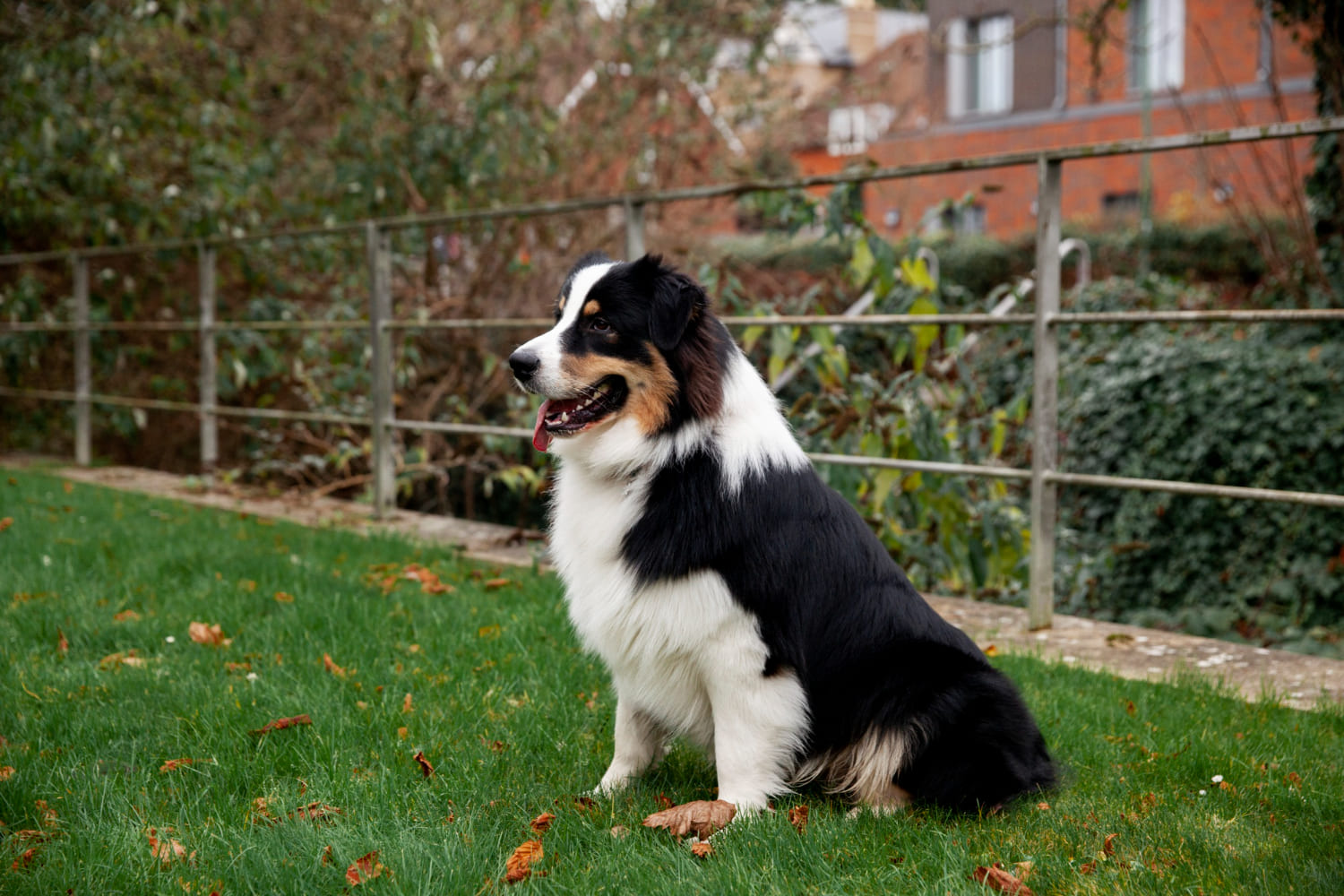
What Whisky the Border Collie Teaches Us About Picking the Right Dog
She learned 91 toy names without any formal training. The secret wasn't her — it was the match.
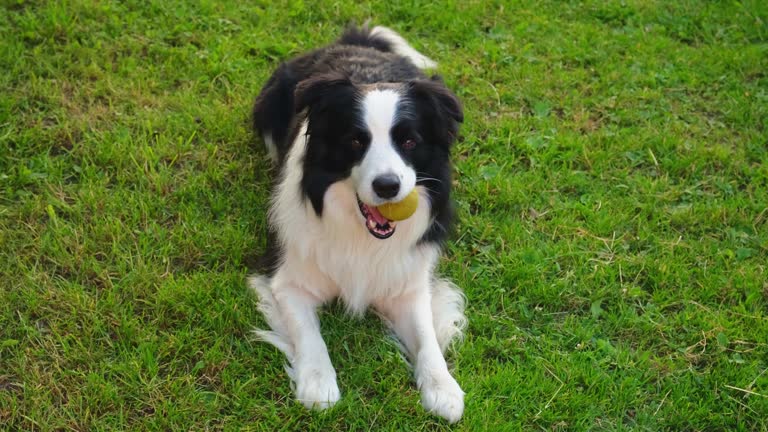
Whisky lives in Norway with almost 100 toys.
She knows the names of most of them. "Froggy." "Small Frisbee." "Daisy." "Wenger." When her owner says a name, she finds the right one and brings it back.
She's not a circus dog. She never went through special training. She's just a Border Collie who loves to play fetch — and happened to have owners who talked to her while they played.
That's it. That's the whole secret.
No Training. Just Play.
Whisky's owner, Helge Svela, isn't a professional dog trainer. He didn't set out to teach her words. He just played with her the way he naturally would — saying the toy's name, tossing it, repeating.
Over time, Whisky started to connect the sounds to the objects. She wasn't being drilled. She was just paying attention.
Researchers tested her and confirmed it: Whisky knows at least 54 toy names. She can even group them into categories — she understands that "ball" means any ball, not just one specific toy.
Scientists call dogs like Whisky "Gifted Word Learners." They're rare. Most dogs — even smart ones — can't do what she does.
But here's what's easy to miss: Whisky didn't become gifted because of intense training. She became gifted because of how her owners naturally interacted with her.
The match made the difference.
"Our Animals May Be Learning More From Us Than We Think"
That quote comes from Dr. Monique Udell, a dog cognition researcher who reviewed Whisky's case.
It's a simple idea with big implications.
Every time you talk to your dog, play with your dog, or go about your day with your dog nearby — they might be learning. Or they might not. It depends on how their brain works.
Whisky's brain was wired to pick up on language. Her owners happened to be the type who talked to her constantly. They didn't plan it. They just... matched.
What If It Had Been Different?
Imagine Whisky in a different home.
A quieter home. Owners who loved her just as much but didn't narrate every game of fetch. People who showed affection through walks and belly rubs instead of words.
Would Whisky still have learned 91 toy names?
Probably not.
She'd still be a great dog. A happy dog. But her specific gift — word learning — might never have shown up.
Now flip it around.
Imagine those same chatty, word-loving owners with a different dog. A dog who doesn't care about labels. A dog who tunes out talking and just wants to chase squirrels.
That owner might feel like they're failing. "Why won't my dog learn names like those dogs on YouTube?"
But the dog isn't broken. The match just isn't right for that particular skill.
The Real Lesson
Whisky's story isn't about how to train a genius dog. It's about something simpler:
The best dog for you is the one whose brain fits your life.
If you're the type who talks to your dog all day, you might love a word learner. If you prefer quiet companionship, a different cognitive style might suit you better.
Neither is wrong. But the match matters.
Finding Your Whisky
Most people pick dogs based on breed, size, or looks. Those things matter. But they don't tell you how a dog thinks — or whether that thinking style fits yours.
Whisky's owners didn't go looking for a "gifted" dog. They just got lucky. Their natural way of engaging happened to click with her natural way of learning.
You don't have to rely on luck.
Whisky's story was first reported by James Gorman in The New York Times (February 2020). Research by Dr. Claudia Fugazza, Eötvös Loránd University.
Comments (0)
No comments yet. Be the first to share your thoughts!
