5 Tricks That Actually Match Your Dog's Brain
Not every dog learns the same way. Here's how to pick tricks that fit.
You've seen the YouTube videos. A Border Collie fetches toys by name. A Poodle solves a puzzle box. A Golden Retriever does a perfect "play dead."
So you try the same trick with your dog. And... nothing.
It's not that your dog is dumb. It's that the trick doesn't match how their brain works.
Dogs have different cognitive styles — just like people. The trick that lights up one dog might bore another. Here's how to find what works for yours.
Three Ways Dogs Think
Based on research into how dogs learn, we can group most dogs into three broad styles:
Word Learners These dogs pick up on language. They learn the names of toys, connect labels to objects, and pay close attention when you talk. They thrive on verbal engagement.
Problem Solvers These dogs figure things out on their own. They're curious, independent, and love puzzles. They don't need you to show them — they want to discover the answer.
People Pleasers These dogs are tuned into your emotions. They read your face, respond to praise, and want to make you happy. They're motivated by connection more than challenge.
Most dogs lean toward one style — but many show a mix. Watch how your dog plays and you'll start to see patterns.
5 Tricks Matched to Cognitive Style
1. "Find It" — For Word Learners
Hide a toy your dog knows by name. Say "Find the [toy name]!" and let them search.
Why it works: Word Learners love using their vocabulary. This trick rewards them for connecting a label to an object — and adds the fun of a hunt.
Start easy: Hide it in plain sight. Build up to harder hiding spots as they get the hang of it.
2. "Which Hand?" — For Problem Solvers
Put a treat in one hand. Close both fists. Let your dog sniff and choose.
Why it works: Problem Solvers want to figure things out. This trick gives them a puzzle — and a reward for using their nose and brain together.
Tip: Don't help them. Let them work it out. That's the fun part for these dogs.
3. "Take a Bow" — For People Pleasers
Lure your dog's nose down toward the floor while keeping their back end up. Reward the "bow" position.
Why it works: People Pleasers love performing. This trick looks impressive, gets big reactions, and gives them lots of praise opportunities.
Bonus: It's a natural stretch — great before walks or play.
4. "Touch" — Works for All Types
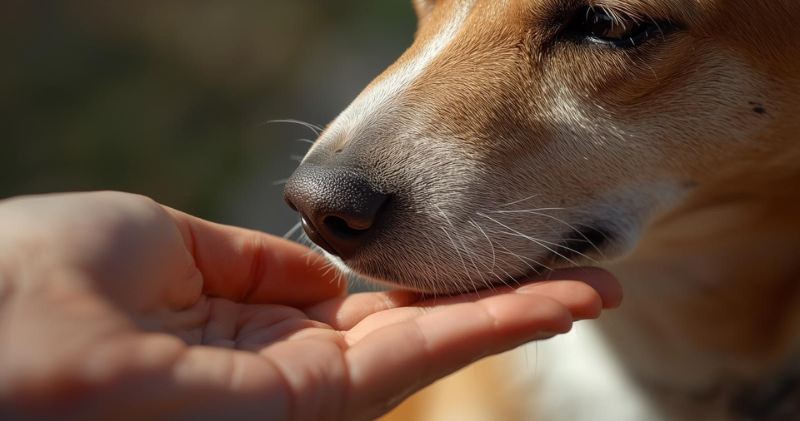
Hold out your palm. When your dog's nose touches it, say "yes" and treat.
Why it works: Simple, fast, and rewarding for every cognitive style. Word Learners connect the cue to the action. Problem Solvers enjoy the cause-and-effect. People Pleasers love the praise.
Build on it: Once they know "touch," you can guide them anywhere — onto a mat, away from the door, into a spin.
5. "Wait" — Works for All Types
Ask your dog to sit. Place a treat on the floor. Say "wait." Pause. Then release them with "okay."
Why it works: Every dog benefits from impulse control. Word Learners focus on the cue. Problem Solvers enjoy the self-control challenge. People Pleasers want to do it right for you.
Start short: One second at first. Build up slowly.
How to Spot Your Dog's Style
Not sure which type fits your dog? Ask yourself:
Does your dog perk up when you name a toy? → Word Learner
Does your dog try to solve things without waiting for help? → Problem Solver
Does your dog watch your face more than the treat? → People Pleaser
Most dogs show signs of more than one. That's normal. Just notice what makes them light up — and build from there.
The Bottom Line
Tricks aren't one-size-fits-all. The best trick for your dog is the one that matches how they think.
Start with what fits their style. Build confidence. Then expand from there.
Training should be fun — for both of you.
Comments (0)
No comments yet. Be the first to share your thoughts!